Make Better Decisions with Production Reports
Reporting and Analytics
Turn Production Data into Decision-Making Power
Make better decisions with production reports, performance indicators and real-time analytics.
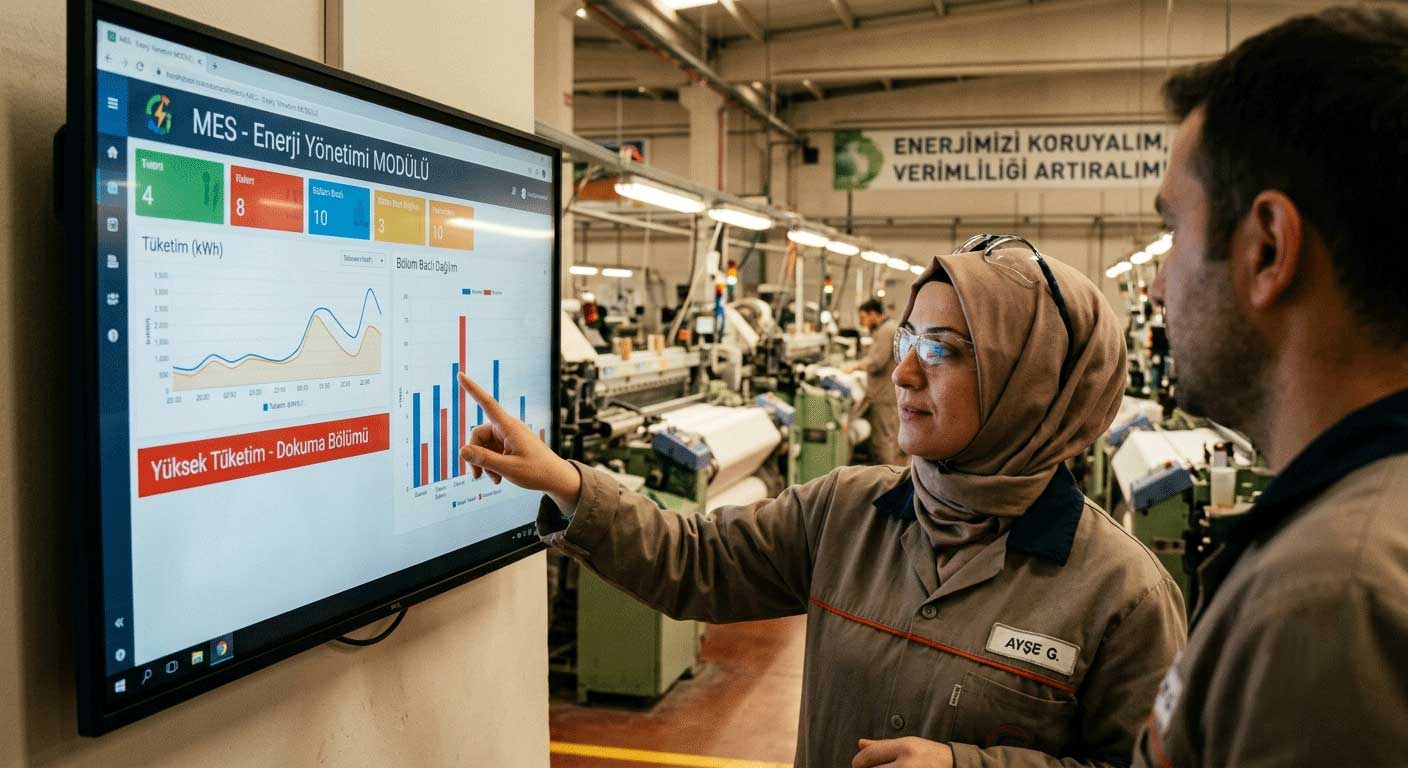
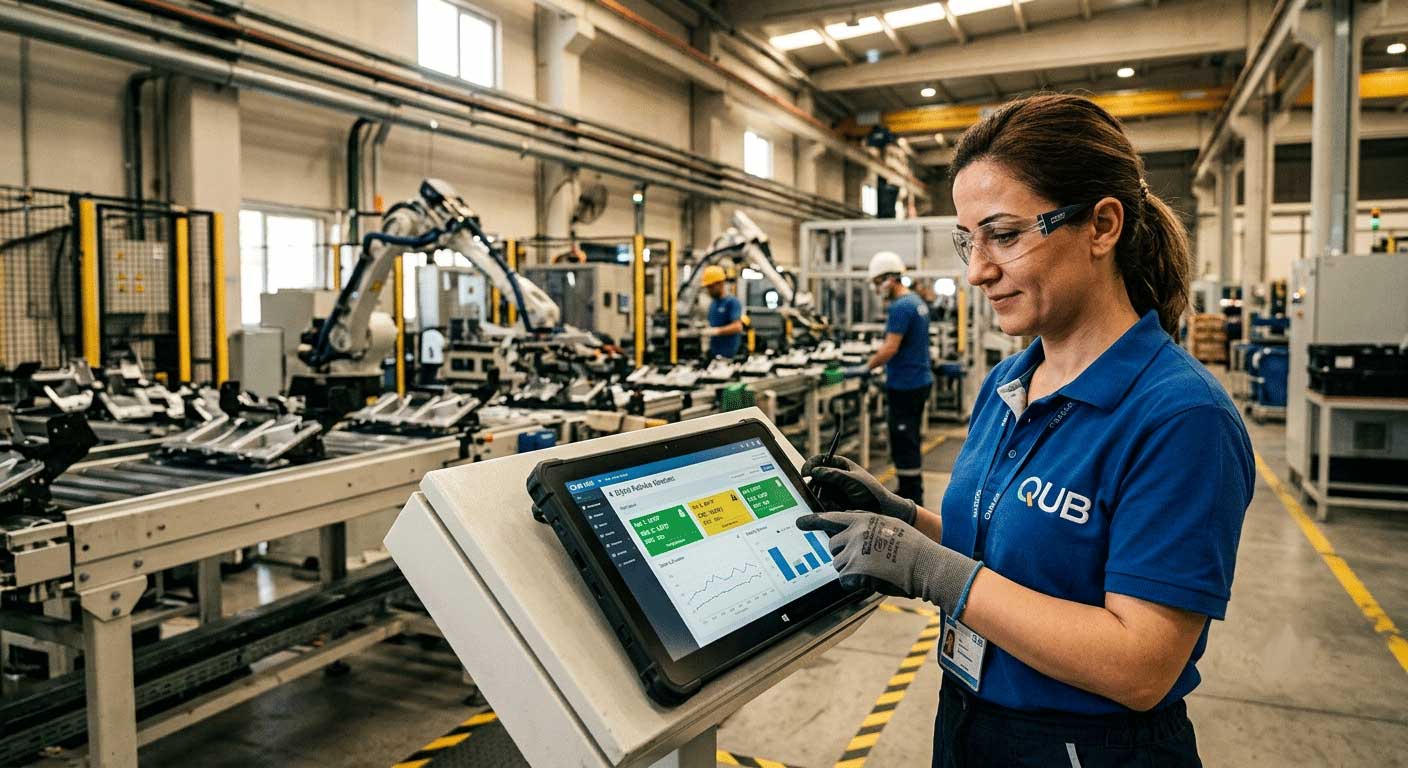
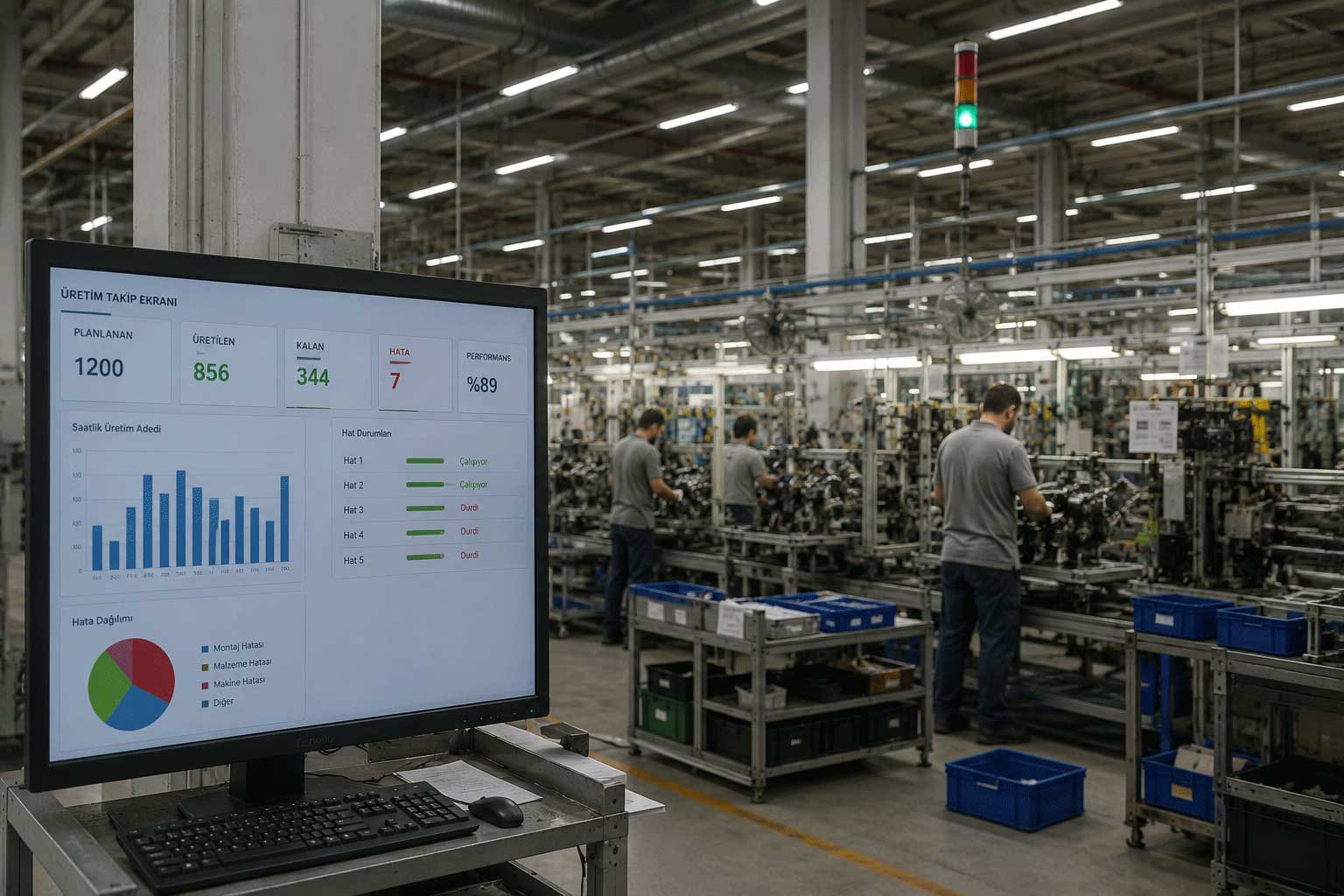
In today's manufacturing environment, making the right decisions requires more than experience and intuition—it depends on accurate, real-time data. Every production process generates thousands of data points, and without proper analysis, manufacturers may struggle to identify inefficiencies, control costs, or respond quickly to operational challenges. Production reporting has therefore become one of the most valuable tools for measuring performance, improving processes, and supporting strategic decision-making. Modern digital reporting solutions transform raw manufacturing data into meaningful business insights that help organizations make faster and more informed decisions. Manufacturing Execution Systems (MES), Enterprise Resource Planning (ERP) software, and Industrial IoT technologies continuously collect data from production equipment, machines, and operators. Information such as production output, machine utilization, cycle times, downtime events, energy consumption, quality inspections, and operator performance can be monitored through centralized dashboards in real time. This complete operational visibility enables managers to understand current production conditions, detect problems immediately, and maintain smooth manufacturing operations. One of the greatest advantages of production reporting is the ability to monitor Key Performance Indicators (KPIs) continuously. Critical metrics such as Overall Equipment Effectiveness (OEE), production efficiency, equipment availability, capacity utilization, scrap rates, cycle time, on-time delivery performance, and production costs can be analyzed through interactive reports. These performance indicators help organizations identify strengths, uncover operational bottlenecks, and make data-driven improvements rather than relying on assumptions or outdated information. Real-time reporting also enables early detection of production issues. Unexpected equipment failures, quality deviations, production delays, excessive downtime, or capacity constraints can be identified immediately through automated alerts and live dashboards. Fast access to reliable information allows managers to take corrective action before minor issues develop into major operational disruptions. As a result, production continuity improves, customer delivery commitments are maintained, and operational risks are significantly reduced. Production reporting also plays an essential role in cost management. Manufacturers can analyze raw material consumption, labor productivity, energy usage, maintenance costs, and overall production expenses using comprehensive reports. These insights help reduce waste, optimize resource allocation, improve budgeting accuracy, and increase profitability. Historical reporting further enables organizations to compare current performance with previous periods, identify long-term trends, and measure the effectiveness of continuous improvement initiatives. When integrated with MES, ERP, quality management systems, maintenance management platforms, and Industrial IoT infrastructure, production reporting creates a unified source of information across the entire organization. Production, quality, maintenance, warehouse, planning, and executive teams all gain access to consistent, real-time operational data. This improves communication between departments, strengthens collaboration, eliminates data duplication, and ensures that every business decision is supported by accurate information. In the era of Industry 4.0, data has become one of the most valuable assets in manufacturing. However, data only creates value when it is transformed into actionable insights. Advanced reporting and analytics solutions enable manufacturers to improve operational transparency, optimize production performance, respond quickly to changing market conditions, and build a culture of continuous improvement. Investing in digital production reporting is not simply about generating reports—it is a strategic investment that empowers organizations to make smarter decisions, improve competitiveness, and achieve sustainable long-term growth.
A modern MES infrastructure developed to monitor, manage and report all shop-floor operations digitally.