How Are Digital Quality Control Processes Managed?
Quality Management
Make Quality Control Processes Digital and Traceable
Discover how digital quality control, nonconformity management and traceability support manufacturing.
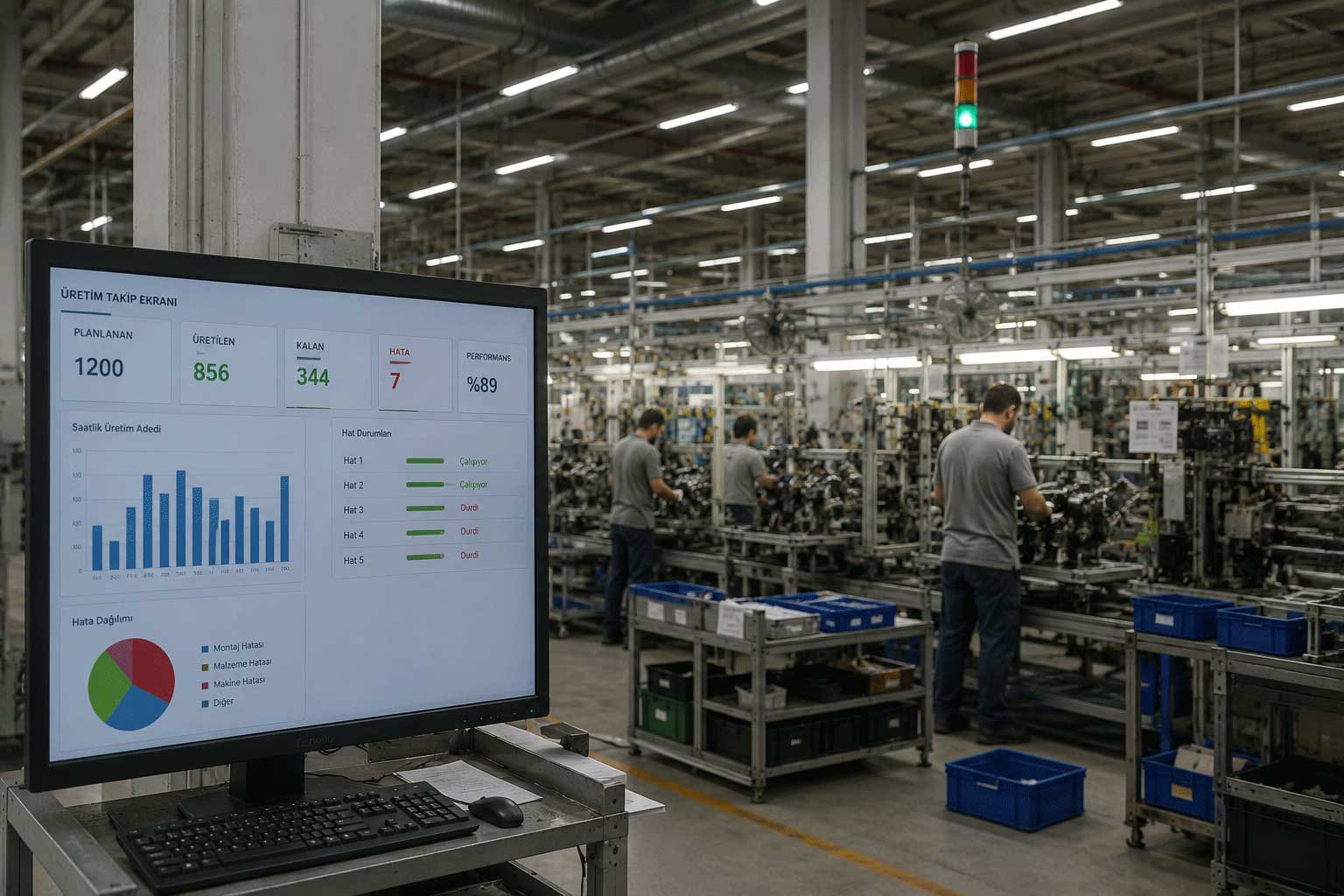
Quality is no longer just a competitive advantage in manufacturing—it has become a fundamental requirement for sustainable business success. Traditional quality control methods often rely on manual inspections, paper-based documentation, and disconnected processes that increase the risk of errors, slow decision-making, and limit product traceability. Digital quality control systems overcome these challenges by centralizing quality management, automating data collection, and providing real-time visibility into production processes. When integrated with Manufacturing Execution Systems (MES), digital quality management becomes a powerful tool for ensuring consistent product quality across the entire manufacturing operation. One of the greatest advantages of digital quality control is real-time monitoring. Inspection results, measurement data, machine parameters, operator activities, and production conditions are automatically captured and stored within the system. Quality teams can instantly detect deviations from predefined standards and take corrective action before defective products continue through the production line. Early problem detection reduces scrap, minimizes rework, lowers production costs, and improves overall manufacturing efficiency. Product traceability is another critical benefit of digital quality management. Every product can be tracked throughout its entire lifecycle, including raw material information, production batches, machine settings, operator records, quality inspections, and process parameters. If a quality issue is discovered, manufacturers can quickly identify the affected products and determine the root cause within minutes. This level of traceability significantly improves recall management, regulatory compliance, customer confidence, and brand reputation. Digital systems also simplify nonconformance management. Products that fail quality inspections can be automatically recorded, categorized, and linked to corrective and preventive action (CAPA) processes. Quality teams can monitor investigation progress, assign responsibilities, document corrective actions, and verify improvements through a centralized platform. This structured approach helps eliminate recurring problems while supporting a culture of continuous improvement throughout the organization. Integration with ERP, MES, automation systems, laboratory information management systems (LIMS), and Industrial IoT platforms further enhances digital quality control. Quality data flows automatically between departments, eliminating manual data entry and ensuring that production, inventory, planning, and quality teams always work with accurate, up-to-date information. Faster communication enables organizations to respond quickly to production issues while maintaining high operational efficiency. Digital quality management also provides comprehensive reporting and performance analysis. Key performance indicators such as defect rates, First Pass Yield (FPY), customer complaints, process capability, inspection performance, nonconformance trends, and quality costs can be monitored through interactive dashboards. These insights help managers identify improvement opportunities, optimize manufacturing processes, and make informed decisions based on reliable operational data. As Industry 4.0 and smart manufacturing continue to evolve, digital quality control has become an essential component of modern factories. Real-time monitoring, complete traceability, automated documentation, advanced analytics, and integrated workflows enable manufacturers to maintain consistent product quality while improving productivity and reducing operational risks. Investing in digital quality management not only minimizes production errors but also strengthens customer satisfaction, regulatory compliance, operational excellence, and long-term business competitiveness in an increasingly digital manufacturing environment.
A modern MES infrastructure developed to monitor, manage and report all shop-floor operations digitally.