Why Is Machine Maintenance Tracking Critical in Manufacturing?

Maintenance Management
Reduce Unplanned Downtime with Digital Maintenance Management
Strengthen production continuity with maintenance plans, failure records and downtime analysis.
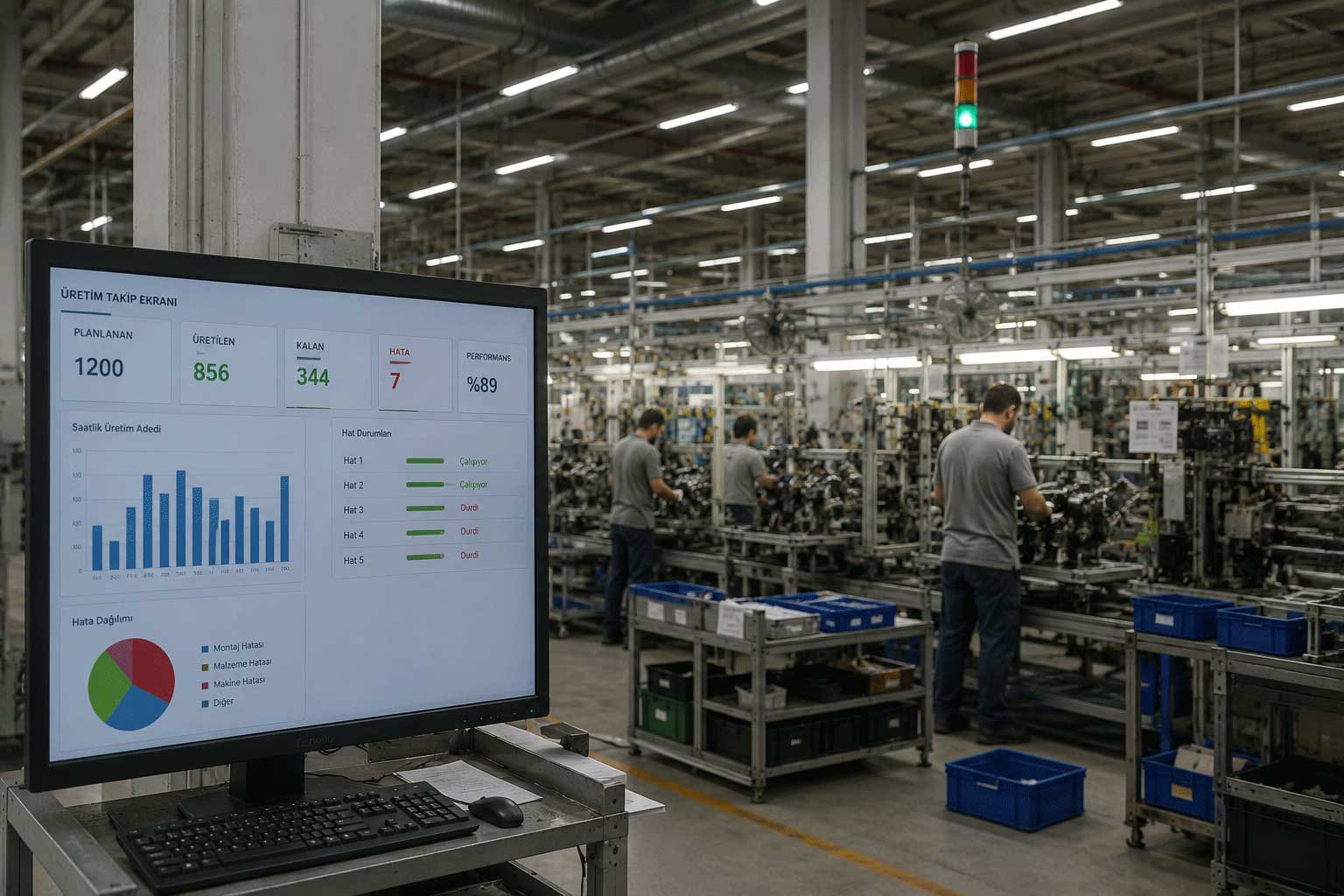
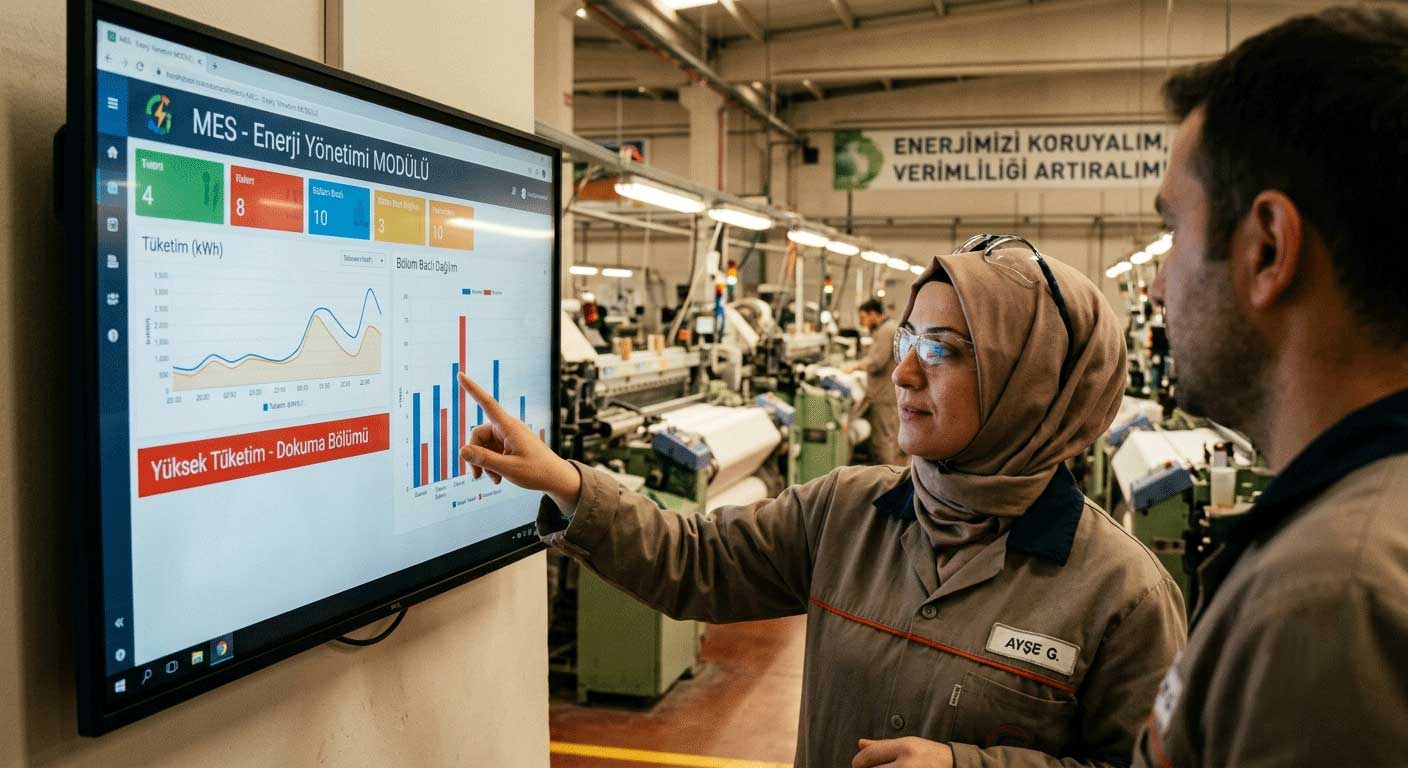
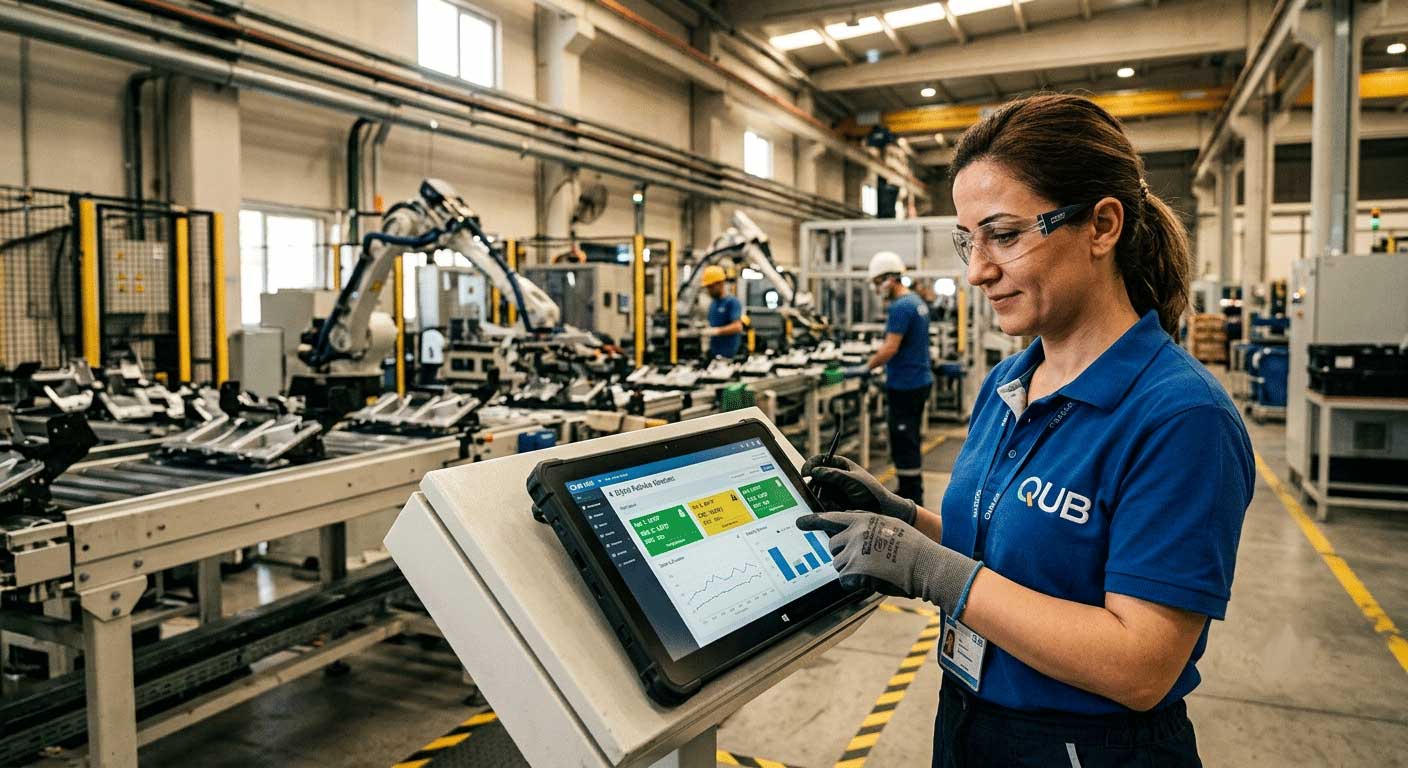
Manufacturing equipment is one of the most valuable assets in any production facility. Unexpected machine failures can interrupt production, delay customer deliveries, increase operating costs, and reduce overall productivity. For this reason, effective machine maintenance management has become a critical component of modern manufacturing operations. Digital maintenance management systems enable manufacturers to plan, monitor, and optimize maintenance activities using real-time data, helping reduce unplanned downtime, extend equipment lifespan, and maintain continuous production. Traditional maintenance processes often depend on paper records, spreadsheets, or manual tracking, making it difficult to maintain accurate maintenance histories and plan future activities efficiently. Digital maintenance management centralizes all maintenance operations within a single platform. Preventive maintenance schedules can be automatically generated, maintenance tasks assigned to technicians, and completed work digitally documented. This creates a reliable maintenance history while improving communication, accountability, and operational consistency across maintenance teams. One of the greatest advantages of digital maintenance is the reduction of unplanned downtime. By collecting real-time information from sensors, PLCs, Industrial IoT devices, and Manufacturing Execution Systems (MES), companies can continuously monitor machine health and performance. Changes in vibration, temperature, energy consumption, pressure, or operating speed can trigger automatic alerts before serious equipment failures occur. Early detection allows maintenance teams to intervene proactively, preventing costly production interruptions and minimizing repair expenses. Digital maintenance systems also improve failure analysis. Every maintenance event can be recorded with detailed information including the cause of failure, repair duration, spare parts used, technician activities, maintenance costs, and corrective actions. Historical maintenance data helps identify recurring issues, perform root cause analysis, and develop continuous improvement strategies. Organizations gain valuable insights that support better maintenance planning and more effective asset management. Downtime analysis is another essential feature of digital maintenance management. Planned maintenance, unexpected equipment failures, production interruptions, and machine availability can all be monitored through comprehensive dashboards and reports. Key maintenance performance indicators such as Overall Equipment Effectiveness (OEE), Mean Time Between Failures (MTBF), Mean Time To Repair (MTTR), equipment availability, and maintenance costs provide managers with accurate performance measurements for informed decision-making. When integrated with ERP, MES, and Industrial IoT platforms, digital maintenance management creates seamless collaboration between production and maintenance departments. Production schedules can be coordinated with maintenance activities, spare parts inventory can be automatically monitored, and maintenance work can be scheduled during planned production breaks to minimize operational disruption. This integration improves manufacturing efficiency while reducing maintenance costs and increasing equipment reliability. As Industry 4.0 technologies continue to advance, predictive maintenance has become one of the most valuable strategies for modern manufacturers. Artificial intelligence, machine learning, advanced analytics, and IoT sensors can analyze equipment behavior to predict potential failures before they happen. Instead of performing maintenance at fixed intervals, organizations can service machines only when necessary, reducing unnecessary maintenance activities while maximizing equipment performance. Investing in digital maintenance management not only protects production continuity but also improves asset utilization, lowers operational costs, extends equipment life, and provides manufacturers with a significant competitive advantage in an increasingly digital industrial environment.
A modern MES infrastructure developed to monitor, manage and report all shop-floor operations digitally.