Why Is ERP and MES Integration Important?
ERP Integration
Build Seamless Data Flow Between ERP and MES
Learn how ERP and MES integration benefits planning, production and inventory processes.
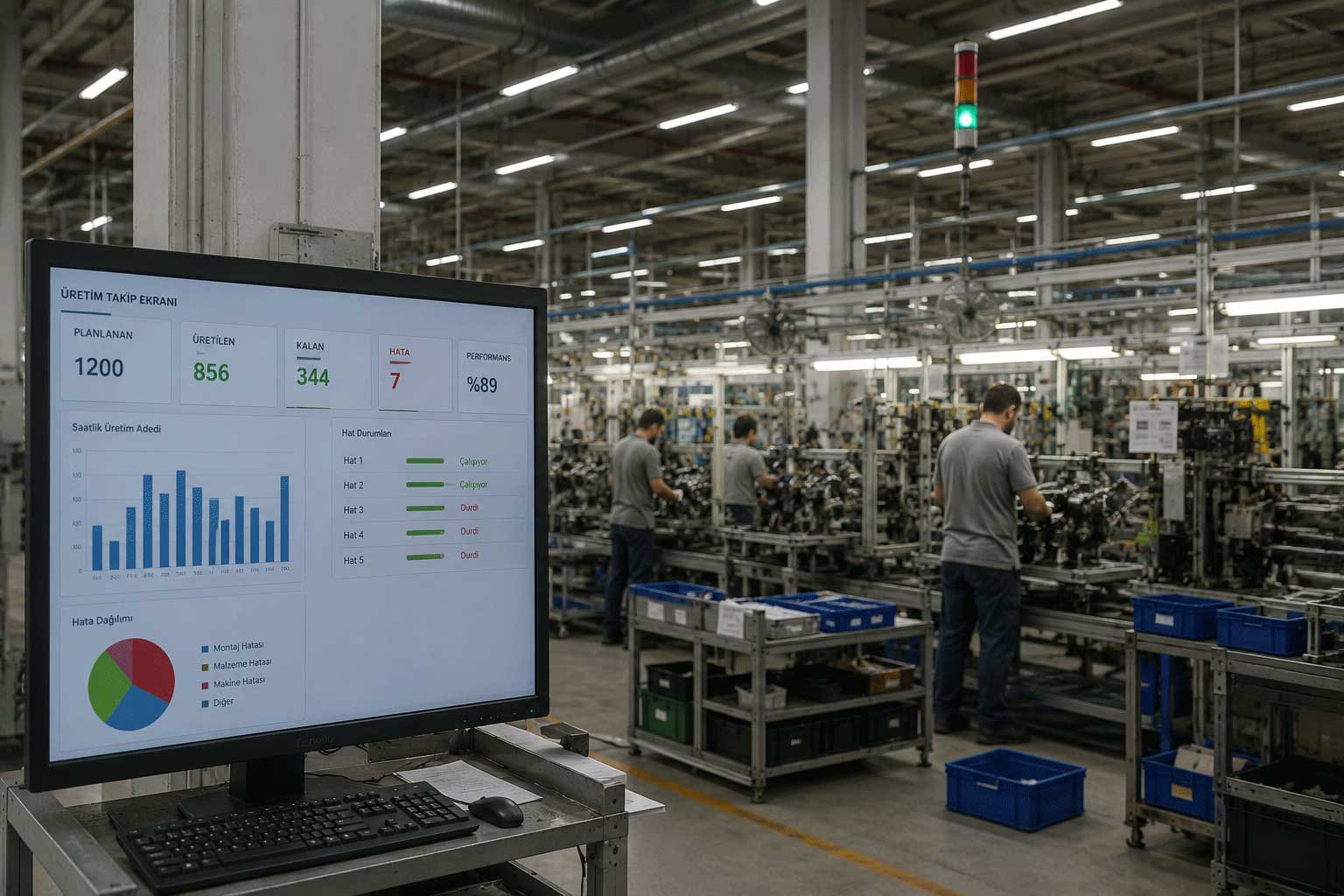
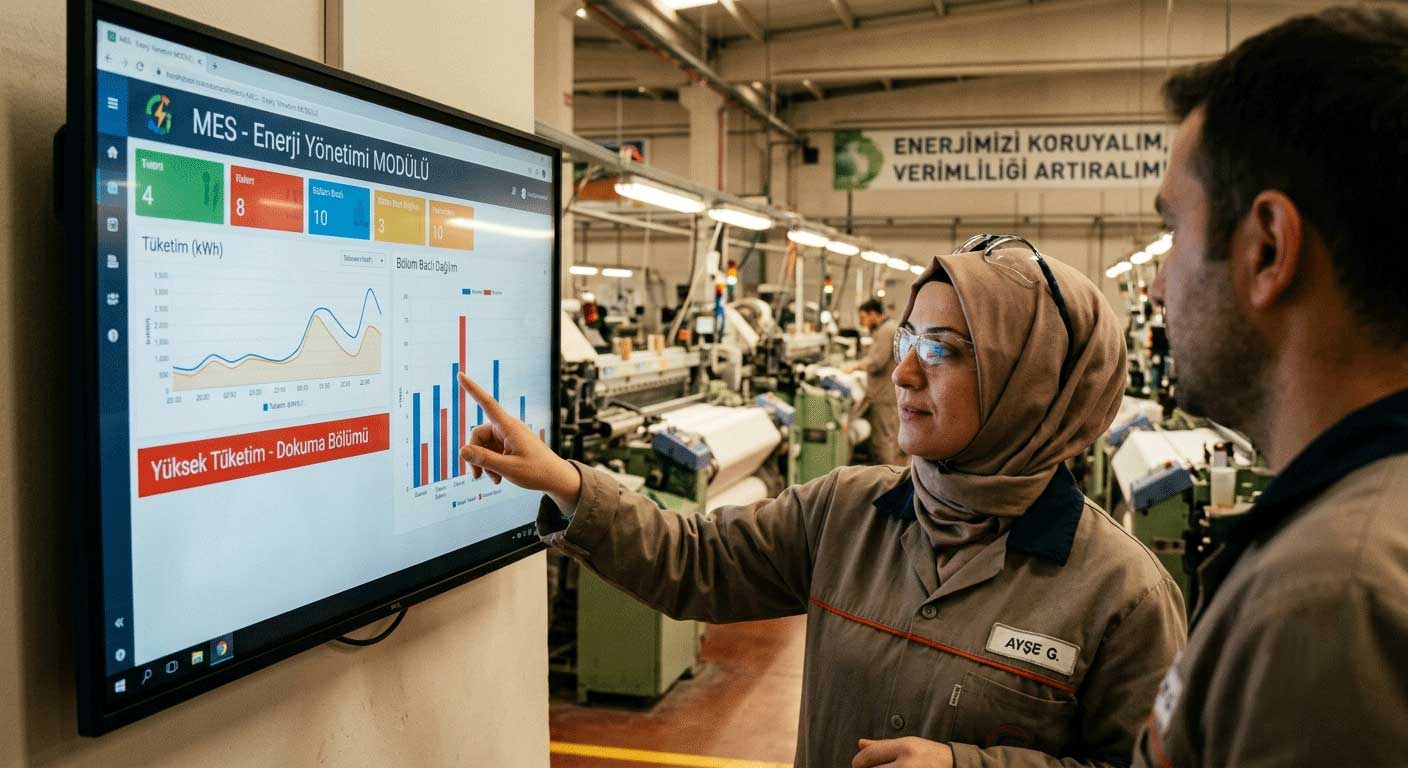
Enterprise Resource Planning (ERP) and Manufacturing Execution Systems (MES) are two essential technologies that work together to support digital transformation in modern manufacturing. While ERP manages business processes such as production planning, procurement, inventory, finance, and customer orders, MES focuses on controlling, monitoring, and optimizing shop floor operations in real time. Integrating these two systems creates a seamless flow of information across the entire manufacturing process, improving operational efficiency, data accuracy, and strategic decision-making. One of the most significant benefits of ERP and MES integration is uninterrupted data exchange. Production orders created in the ERP system are automatically transferred to the MES platform, where manufacturing activities begin without manual intervention. Throughout production, MES continuously collects information such as machine status, production quantities, material consumption, quality inspections, operator performance, and downtime events. Once production is completed, this information is automatically synchronized back to the ERP system, eliminating duplicate data entry and significantly reducing human error. Production planning becomes far more effective when ERP and MES work together. ERP creates production schedules based on customer demand, inventory levels, and available resources, while MES validates these plans using real-time shop floor conditions. If equipment failures, material shortages, or production delays occur, MES immediately updates the ERP system, allowing planners to adjust schedules, allocate resources efficiently, and minimize delivery risks. This real-time collaboration improves production flexibility and enhances customer satisfaction. Inventory management also benefits greatly from integration. As materials are consumed during manufacturing, inventory records are updated automatically, and finished goods are added to stock immediately after production is completed. Accurate inventory visibility reduces excess stock, prevents material shortages, improves warehouse efficiency, and supports more effective supply chain management. Manufacturers gain complete control over material movements without relying on manual updates. Quality management and traceability are equally strengthened through ERP-MES integration. Inspection results, process parameters, production records, and operator activities are digitally documented and shared between both systems. In the event of a quality issue, manufacturers can quickly identify affected production batches, raw materials, equipment, and processing history. This level of traceability supports regulatory compliance, improves customer confidence, and significantly reduces the cost of recalls or corrective actions. Another major advantage is comprehensive reporting and performance analysis. Key performance indicators such as Overall Equipment Effectiveness (OEE), production efficiency, equipment utilization, inventory turnover, production costs, and order fulfillment performance can all be monitored through integrated dashboards. Managers gain access to accurate, real-time insights that enable faster decision-making, better resource allocation, and continuous operational improvement. As Industry 4.0 continues to reshape manufacturing, ERP and MES integration has become a critical foundation for smart factories. Seamless connectivity between enterprise systems and shop floor operations creates a fully digital manufacturing environment where information flows automatically across every department. Companies that invest in ERP and MES integration improve productivity, reduce operational costs, increase agility, and build a scalable digital infrastructure capable of supporting future growth and long-term manufacturing excellence.
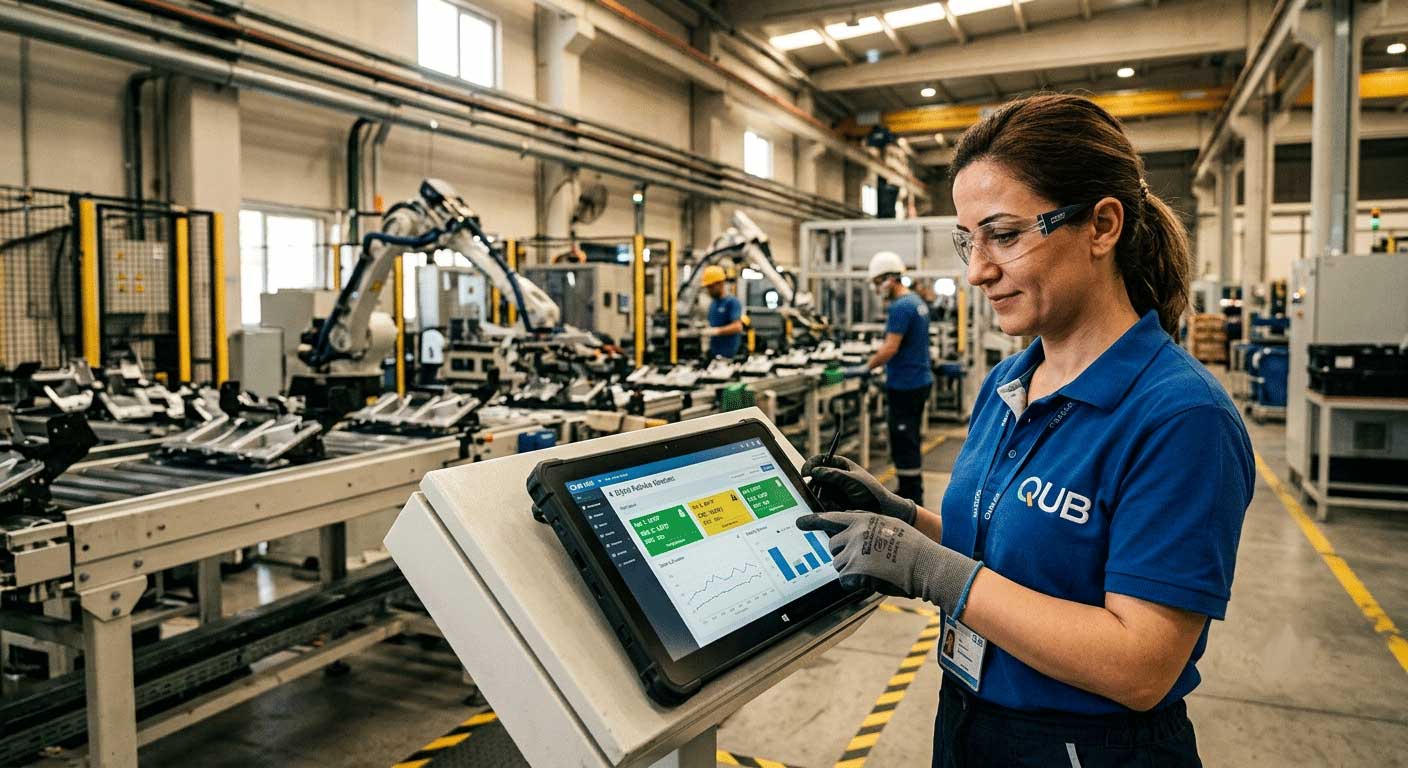
A modern MES infrastructure developed to monitor, manage and report all shop-floor operations digitally.