Digital Ways to Improve Manufacturing Efficiency

Efficiency and Performance
Improve Manufacturing Efficiency with Digital Tools
Explore ways to improve manufacturing efficiency with real-time data, downtime analysis and digital work orders.
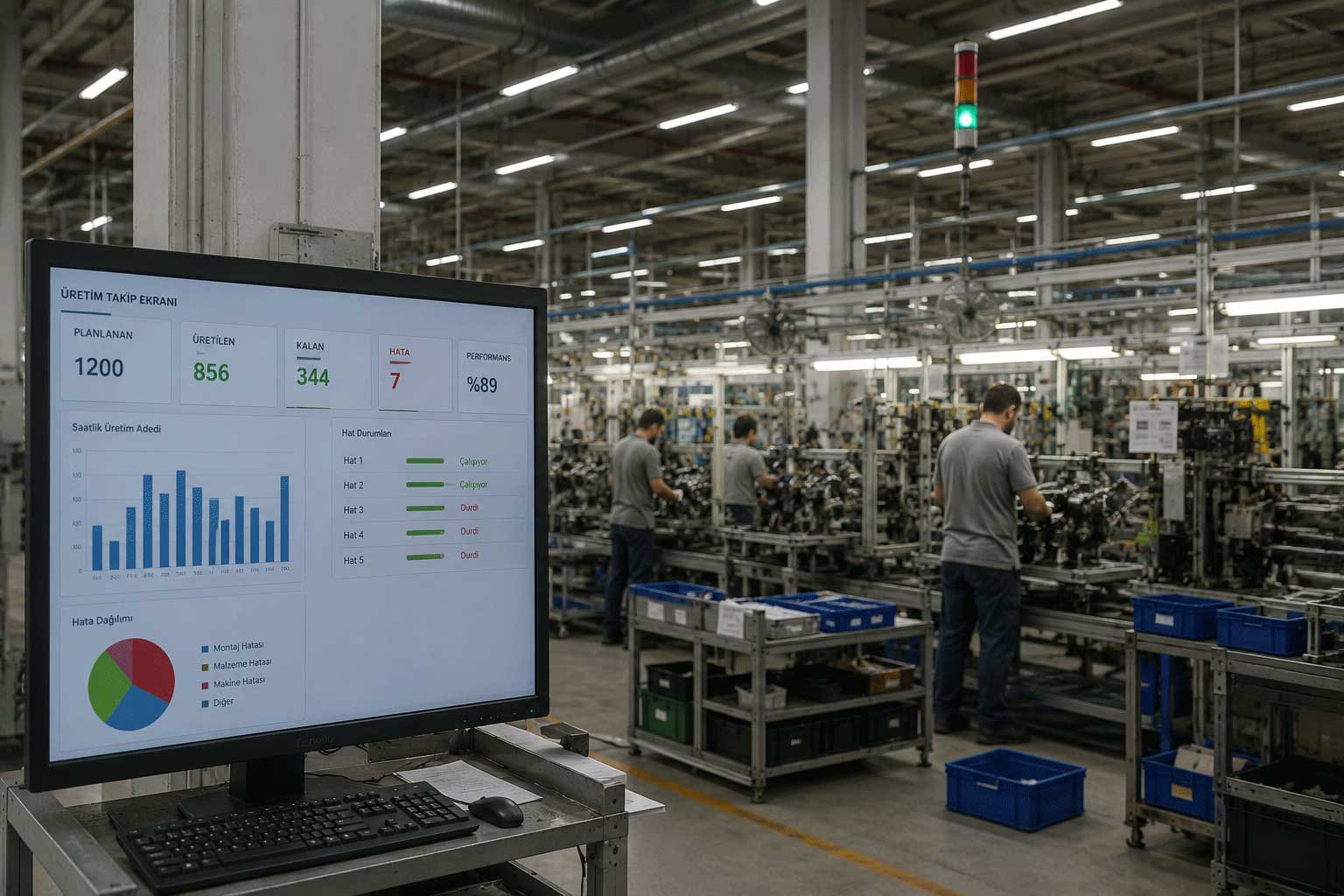
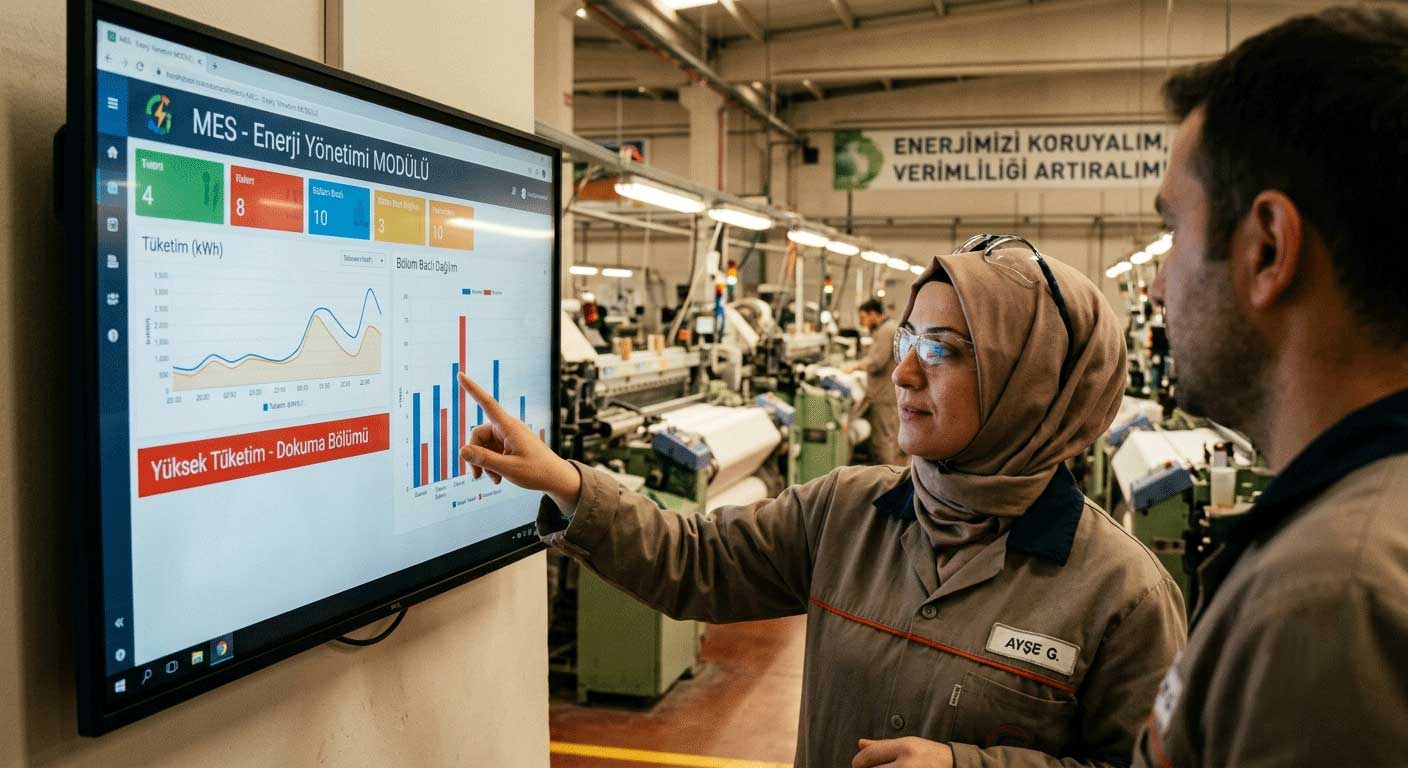
Increasing competition in the manufacturing industry has made operational efficiency one of the most important factors for long-term success. Companies are expected to produce higher-quality products in less time while reducing operational costs and improving flexibility. Achieving these goals requires more than traditional production methods—it requires digital transformation. Modern digital technologies enable manufacturers to monitor production processes in real time, optimize workflows, reduce downtime, and make faster, data-driven decisions that significantly improve overall productivity. One of the most valuable digital tools is real-time production monitoring. By collecting live data from machines, sensors, and production lines, manufacturers gain complete visibility into their operations. Production output, machine status, cycle times, energy consumption, operator performance, and quality metrics can all be monitored through centralized dashboards. This immediate access to information allows production managers to detect issues early, prevent bottlenecks, and respond quickly before small problems become costly disruptions. Downtime analysis is another essential component of digital manufacturing. Both planned and unplanned machine stoppages can be automatically recorded and categorized, making it easier to identify recurring issues and their root causes. Whether downtime is caused by equipment failures, maintenance activities, material shortages, or operational delays, digital reporting provides valuable insights that support continuous improvement initiatives. Reducing downtime directly increases equipment availability and production efficiency. Digital work orders also transform day-to-day manufacturing operations. Instead of relying on paper documents, operators receive updated production instructions, technical drawings, quality standards, and process information through digital devices. This improves communication, reduces documentation errors, and ensures that every employee works with the latest information. Digital records also enhance traceability by documenting every production activity throughout the manufacturing process. Measuring performance is equally important for improving productivity. Digital manufacturing platforms provide detailed reports on key performance indicators such as Overall Equipment Effectiveness (OEE), production efficiency, equipment utilization, scrap rates, cycle time, and quality performance. These insights help managers identify inefficiencies, optimize resource allocation, and make strategic decisions based on accurate operational data. When integrated with MES, ERP, automation systems, and Industrial IoT technologies, digital solutions create a connected manufacturing environment where information flows seamlessly across every department. From production planning and inventory management to quality control and final delivery, every stage of the manufacturing process becomes more transparent and efficient. As Industry 4.0 continues to reshape manufacturing, businesses that invest in digital technologies gain greater flexibility, stronger competitiveness, and sustainable long-term growth. Digital transformation is no longer just a technological upgrade—it is a strategic investment in the future of manufacturing excellence.
A modern MES infrastructure developed to monitor, manage and report all shop-floor operations digitally.