How Manufacturing Execution Systems Benefit Businesses

MES and Digital Manufacturing
How Do Manufacturing Execution Systems Create Business Value?
Discover how MES solutions improve production visibility, quality, efficiency and decision-making.
Manufacturing Execution Systems (MES) are digital solutions designed to monitor, manage, and optimize manufacturing operations in real time. As competition continues to increase across industries, manufacturers are expected not only to produce high-quality products but also to do so faster, more efficiently, and at lower operational costs. MES serves as a bridge between the production floor and enterprise management systems, providing businesses with greater visibility, control, and operational excellence.
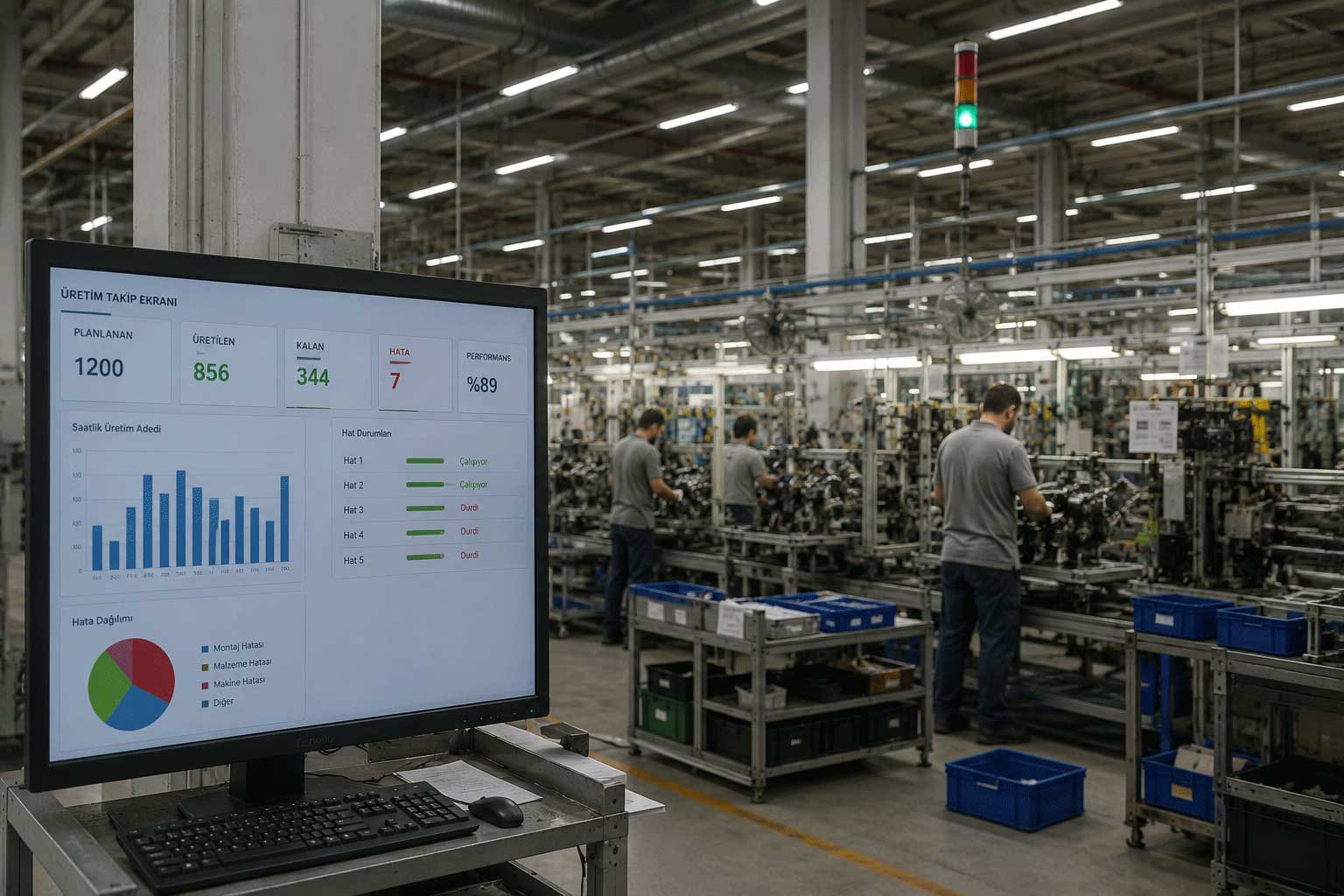
With an MES platform, every stage of production can be monitored in real time. Machine performance, operator productivity, production quantities, downtime, quality inspections, and process data are collected and displayed through a centralized dashboard. This enables managers to identify production issues immediately, respond faster to unexpected events, and make informed decisions based on accurate data rather than assumptions.
One of the most significant advantages of MES is improved quality management and product traceability. Every production step, inspection, and quality check is digitally recorded, allowing manufacturers to track products throughout the entire production lifecycle. In the event of a quality issue, affected batches can be identified quickly, minimizing recall costs while protecting customer satisfaction and brand reputation.
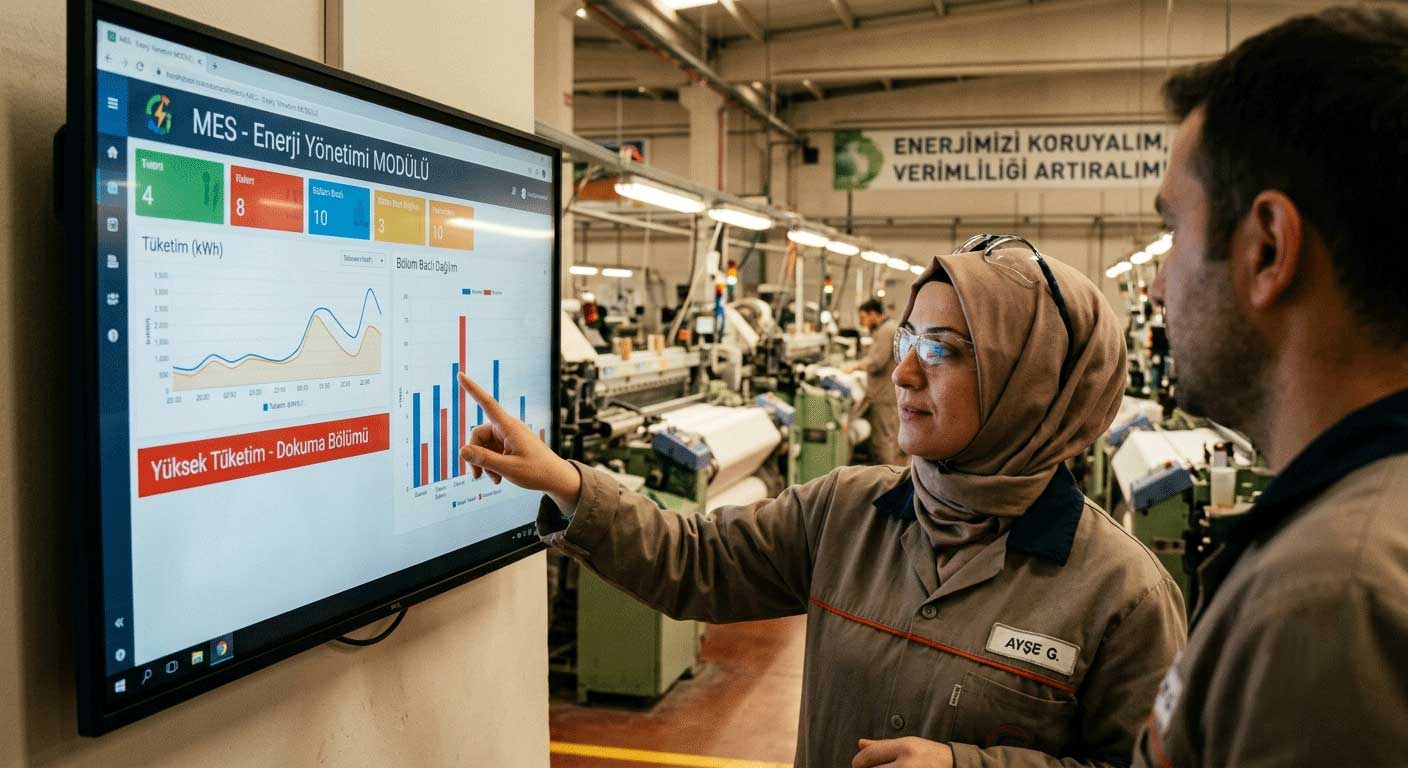
MES also plays a critical role in continuous improvement initiatives. Key performance indicators such as Overall Equipment Effectiveness (OEE), cycle time, equipment utilization, production efficiency, scrap rates, and downtime analysis can be monitored continuously through detailed reports and dashboards. These insights help organizations identify bottlenecks, eliminate inefficiencies, and improve overall manufacturing performance.
Another important benefit is seamless integration with ERP systems, automation platforms, quality management software, and industrial equipment. This integration eliminates manual data entry, reduces errors, and creates a connected manufacturing environment where information flows efficiently across departments. From production planning to final delivery, every process becomes more transparent and easier to manage.
As Industry 4.0 technologies continue to transform manufacturing, MES has become one of the core components of smart factories. Real-time data collection, automated reporting, digital traceability, predictive analytics, and process optimization enable manufacturers to become more agile, productive, and competitive. Investing in a Manufacturing Execution System is not only a strategic decision for improving today's operational performance but also a long-term investment that supports sustainable growth, digital transformation, and future manufacturing excellence.
A modern MES infrastructure developed to monitor, manage and report all shop-floor operations digitally.